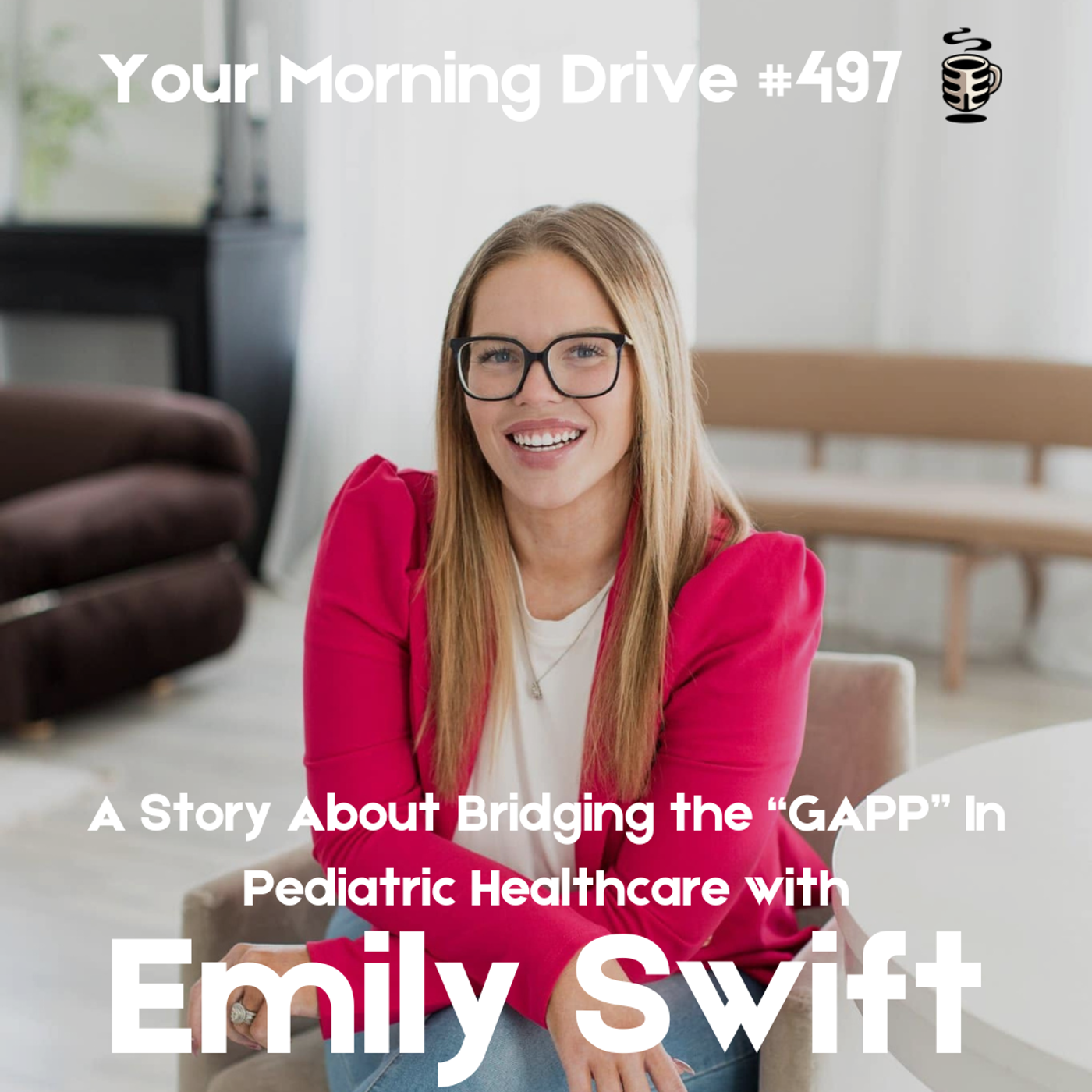
Emily Swift walked into Your Morning Drive's brand-new studio at 216 Coworking with clammy hands, joking that she still gets camera shy even sitting across from a friend and neighbor like host Logan Lewis. By the end of the conversation, though, she'd delivered one of the most eye-opening episodes the show has recorded in Cartersville. Emily owns Unique Pediatric Hearts, a nurse-led home healthcare agency that helps Georgia families of medically fragile children access skilled nursing and personal support through the state's Georgia Pediatric Program, or GAPP, and the Katie Beckett waiver, often at no cost through Medicaid. What followed was part policy explainer, part personal history, and part hard look at a system that too often fails the families it's supposed to protect.
From a Babysitting Job to a Calling
Emily's path into pediatric healthcare wasn't planned. She grew up without much money, moved from Maine to Georgia at nine, and started working as a caregiver in nursing homes at eighteen, focusing on geriatrics and hospice. The turning point came when she was babysitting a young boy with leukemia. "At the time when I was babysitting him, I didn't even know what that was, but he had passed away," she told Logan. "That's where I wanted to actually do something with children." She went back to school for her CNA and nursing credentials and eventually found her way into caring for medically fragile and special-needs kids, a field she says is chronically under-resourced and rarely talked about.
What GAPP and the Katie Beckett Waiver Actually Cover
Much of the conversation centered on demystifying Georgia's support system. GAPP, the Georgia Pediatric Program, covers children with diagnoses ranging from epilepsy and Down syndrome to trach care and ventilator dependence, connecting families with skilled nurses and personal caregivers through a physician's written order. The Katie Beckett waiver exists for higher-income families whose child's diagnoses still qualify them for SSI-based insurance without the household's earnings disqualifying them. Emily estimates roughly 50,000 Georgia children could benefit from these programs, but says fewer than two to three percent actually do, largely because doctors rarely bring it up. "It's not spoken about a lot," she said. "The advertising, we have to go through doctors, physicians. Physicians don't really bring it up."
The Math Doesn't Add Up
Emily didn't shy away from criticizing the system she works within every day. She described a family caregiver program that pays parents to care for their own medically fragile children under RN oversight, but noted that for every dollar a parent earns through it, Social Security often claws back a dollar in other benefits. She also pointed to chronic underfunding across the industry: caregivers are frequently paid sixteen or seventeen dollars an hour to manage kids with complex medical and behavioral needs, a wage she says makes retention nearly impossible. "Who's gonna want to go to work at sixteen dollars an hour?" she asked, noting caregivers may have to manage a child crying, eloping, or resisting basic care, all for a wage that barely covers gas money.
Stepping Into Parents' Shoes
What sets Unique Pediatric Hearts apart, Emily said, is how personally she and her husband engage with the families they serve. In one case, they invited a client's child into their own home for an entire weekend so the parents, who hadn't been able to leave the house together in years, could finally get a break. "We've had it to where our families have trusted us enough to where we could go and be mom and dad in their shoes," she said. She also described the real risks caregivers face daily, recalling a client whose child had a seizure in the family pool while a caregiver was present, a reminder, she said, of why training and oversight matter just as much as compassion.
A Mother Navigating the Same System
The conversation turned personal when Emily revealed her own twelve-year-old daughter has hyperinsomnia, sometimes sleeping twelve to twenty hours a day with no clear diagnosis despite exhaustive testing. Emily applied for GAP services on her daughter's behalf and was denied, with no real explanation given. She recalled a psychiatrist looking directly at her daughter and bluntly stating, "You're depressed, and if you don't get up, you're going to a psych ward," with little prior evaluation. It's the kind of dismissiveness Emily says she fights against professionally every day, now experienced firsthand as a parent trying to get her own child taken seriously.
Listen to the Full Conversation
Emily Swift's conversation with Logan Lewis is a candid look at a healthcare gap most Georgia families don't know exists until they need it, and a reminder that behind every policy acronym is a real family trying to hold it together. Hear the full episode, "A Story About Bridging the 'GAPP' in Pediatric Healthcare w/ Emily Swift," on Apple Podcasts, Spotify, or YouTube, and learn more about Unique Pediatric Hearts at unipediatrichearts.com.
Listen to Episode #497
Catch the full conversation with Emily Swift on Your Morning Drive, wherever you listen.